
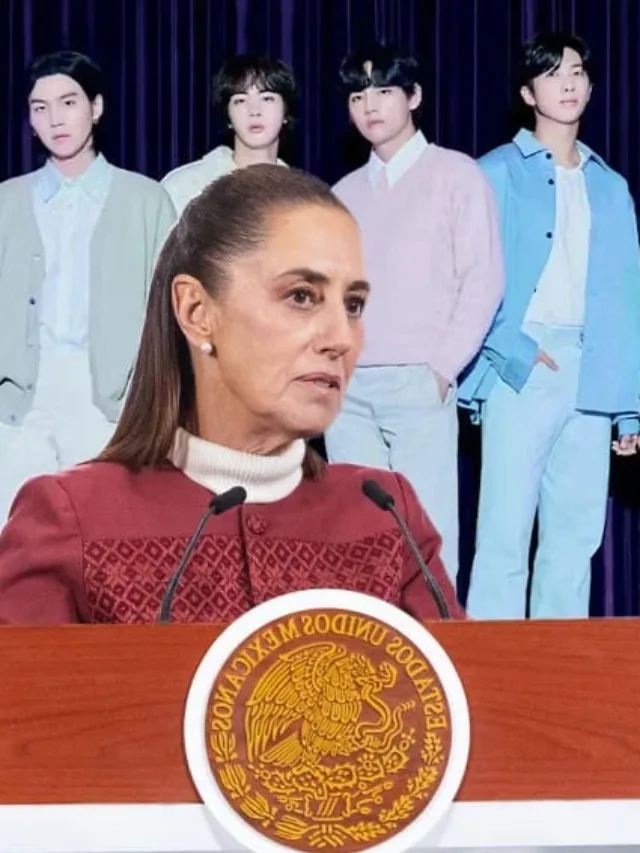







HYBE under fire over BTS money allegations as fans react to real claims, secret financial concerns, and proven worries over how BTS earnings were used.
Custom Introduction
In early 2026, HYBE once again finds itself at the center of intense scrutiny. As anticipation builds for BTS’s long-awaited full-group return, a familiar controversy has resurfaced online, sparking heated debate across fan communities and industry circles alike.
🔗 Related Articles:
Dua Lipa and TWICE BTS collaboration rumors spark massive buzz as BTS confirms 5th album comeback
BTS comeback March 20: Why BTS’ long-awaited return feels bigger than ever
BTS and BLACKPINK 2026 comeback controversy: Why K-pop’s biggest rivalry is exploding again
At the heart of the discussion is a serious claim: HYBE under fire over BTS money allegations, with accusations suggesting that millions earned through BTS activities may have been used to offset losses tied to Scooter Braun’s former company, Ithaca Holdings.
While no official wrongdoing has been confirmed, the emotional weight of the situation is undeniable. For fans who have supported BTS through tours, albums, and global brand deals, questions about how that money is handled strike a deeply personal nerve.
HYBE under fire over BTS money allegations explained
The phrase HYBE under fire over BTS money allegations has been trending across social platforms, fan forums, and K-pop news feeds. The controversy centers on claims that approximately $83 million in revenue linked to BTS was used to help cover debt associated with HYBE’s 2021 acquisition of Ithaca Holdings, a US-based entertainment company previously led by Scooter Braun.
Critics argue that because BTS was responsible for generating a significant portion of HYBE’s revenue during that period, any funds used to manage acquisition-related debt were effectively drawn from BTS’s success. Supporters of HYBE, however, push back strongly, stating that company revenue is pooled and managed at a corporate level, not separated artist by artist.
Still, the lack of a clear, detailed public explanation has allowed speculation to grow.
Why BTS earnings are central to the allegations
BTS is not just HYBE’s flagship artist. For several years, the group has been the backbone of the company’s global expansion. From sold-out stadium tours to chart-topping albums and high-value brand partnerships, BTS helped elevate HYBE from a Korean entertainment label to a global powerhouse.
Because of that reality, fans believe it is reasonable to question how BTS-generated income is allocated. The concern is not only financial but emotional. Many ARMYs feel that BTS’s labor, creativity, and sacrifices should directly benefit the group and future artistic projects rather than covering unrelated corporate risks.
In our view, this is where the controversy gains traction. It is less about accounting rules and more about trust.
HYBE under fire over BTS money allegations and ethical concerns
The ethical debate surrounding HYBE under fire over BTS money allegations goes beyond balance sheets. Critics argue that even if the company acted within legal boundaries, the optics matter. Using revenue closely associated with BTS to stabilize an acquisition tied to another executive raises uncomfortable questions about fairness and transparency.
Fans are asking:
- Should artist-driven revenue be protected?
- Does global expansion justify financial decisions that appear disconnected from artists?
- Where is the line between corporate growth and artist responsibility?
These are not easy questions, and they resonate far beyond K-pop.
The Scooter Braun and Ithaca Holdings connection
To understand why this issue keeps resurfacing, it is important to revisit HYBE’s acquisition of Ithaca Holdings in 2021. The deal, reportedly valued at over $1 billion, was framed as a strategic move to strengthen HYBE’s presence in the Western music industry.
As part of the acquisition, HYBE also assumed significant debt, estimated at around ₩120 billion. Critics now argue that BTS’s dominance in revenue generation during that period makes it difficult to separate the group’s earnings from the debt repayment narrative.
Supporters counter that this is how multinational corporations operate. Revenue flows into a single system, and acquisitions often come with financial obligations that are not tied to individual artists.
Both arguments hold weight, which is why the debate refuses to fade.
HYBE under fire over BTS money allegations vs corporate reality
From a corporate finance perspective, HYBE’s defenders say the allegations oversimplify a complex system. They argue that BTS’s earnings contribute to HYBE’s overall financial health, which in turn funds infrastructure, training systems, and future artist development.
However, from a fan perspective, the issue feels personal. BTS is not just another asset. The group represents years of emotional investment, loyalty, and global cultural impact.
Fans are reacting like this because they feel protective, not reckless.
Fan outrage and online reactions
Social media platforms have been flooded with reactions since the allegations resurfaced. Many fans express disappointment rather than anger, emphasizing that they want clarity, not conflict.
Common fan sentiments include:
- Calls for transparent financial reporting
- Requests for HYBE to publicly address the issue
- Concerns about BTS being overburdened by corporate expectations
Some fans also point out that BTS members themselves have spoken openly in the past about pressure, responsibility, and long-term sustainability. That context makes these allegations feel even heavier.
HYBE under fire over BTS money allegations in fan discourse
Within fan communities, discussions are nuanced. Not everyone believes the allegations outright. Some urge caution, reminding others that rumors can spiral quickly online.
Still, the repeated resurfacing of the same concern suggests an unresolved trust gap. Silence, in situations like this, often fuels speculation rather than calming it.
Industry implications and reputational risk
Financial analysts note that controversies like HYBE under fire over BTS money allegations, even without legal findings, can damage a company’s reputation. HYBE positions itself as an artist-centered, forward-thinking label. Allegations that contradict that image can influence investor confidence and public perception.
In the entertainment industry, trust is currency. Artists, fans, and partners all pay attention to how companies handle criticism.
Why transparency matters more than denial
In our view, the most effective response would not be defensive silence or vague statements. Clear communication, even if complex, builds credibility. Fans understand that corporations operate differently than individuals. What they struggle with is uncertainty.
A transparent explanation could:
- Reduce misinformation
- Protect BTS from unnecessary backlash
- Reinforce HYBE’s long-term credibility
What’s next for BTS and HYBE
As BTS prepares for upcoming activities following military service, attention will remain intense. Every corporate decision will be examined through a sharper lens than ever before.
Whether HYBE addresses the allegations directly or allows them to fade naturally will shape public sentiment moving forward. The company’s response may matter just as much as the financial reality itself.
Personal Outro
As someone who closely follows K-pop industry trends, I believe this situation highlights a growing tension between global corporate growth and artist-centered values. BTS’s success changed HYBE forever, and with that change comes responsibility.
Fans are not asking for perfection. They are asking for honesty. And in an industry built on connection, that honesty can make all the difference.

Shahana khan is a pop culture writer and K-pop enthusiast who covers BTS, global K-pop trends, and fan culture. With a strong interest in music journalism and online media, they focus on sharing accurate updates, fan-focused insights, and original commentary for international K-pop audiences.