




Custom Introduction
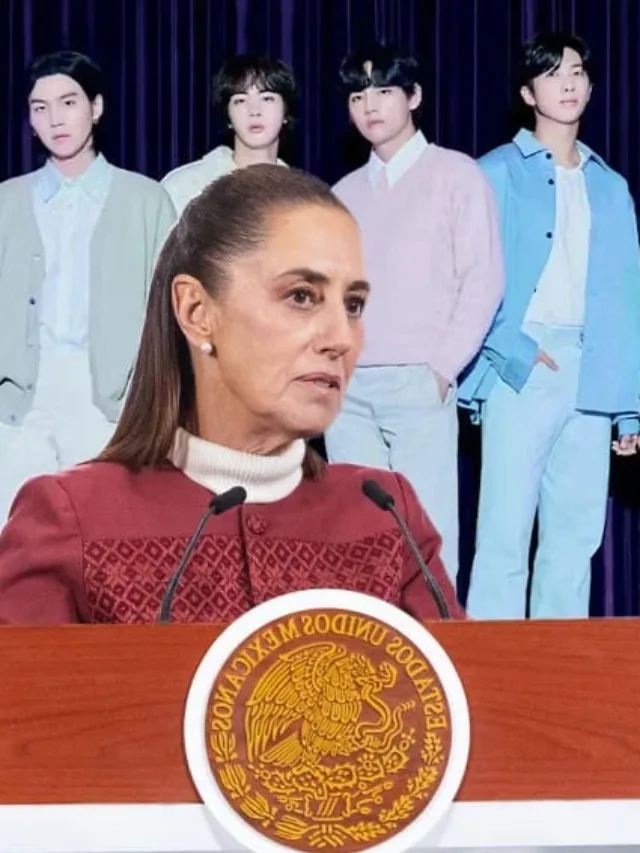
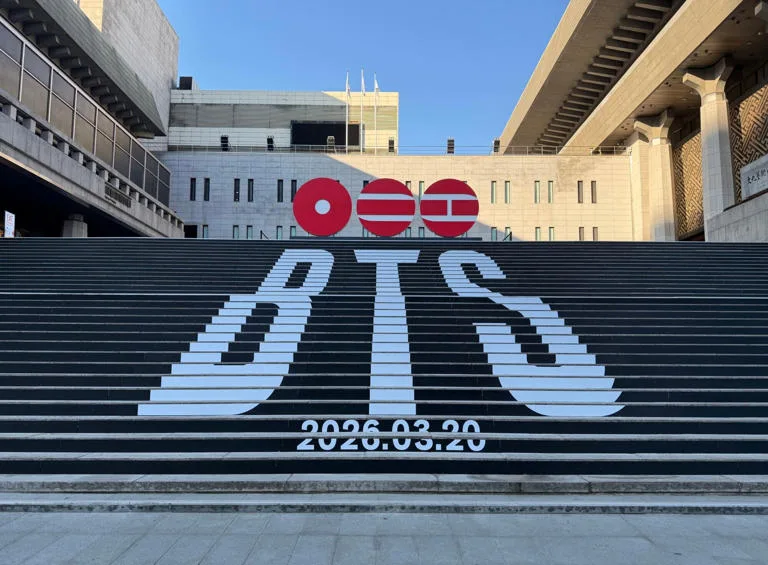
When BTS unveiled their massive global tour schedule, the excitement was instant. Cities across Asia, Europe, and the Americas lit up with anticipation. But one absence stood out immediately and sparked intense discussion across fan communities and industry circles alike. Once again, BTS tour skips Chinese cities, raising fresh questions about the long-standing Hallyu restrictions and whether China is truly ready to reopen its doors to K-pop’s biggest global act.
🔗 Related Articles:
BTS Arirang album spoilers: Every subtle hint ARMY missed before the historic comeback
This is not just about one tour or one group. It reflects a deeper, unresolved cultural and political freeze that has shaped the K-pop industry for nearly a decade. Below, we break down what the exclusion really means, why it continues to happen, how fans are reacting, and what the future may realistically hold.
BTS tour skips Chinese cities amid unresolved Hallyu restrictions
The headline fact is clear: BTS tour skips Chinese cities, with no mainland China stops included in the newly announced world tour. While the group boasts more than 5.6 million followers on Weibo and maintains immense popularity among Chinese fans, the tour schedule confirms only performances in Hong Kong, leaving mainland cities completely absent.
This decision is not accidental. It reflects the ongoing, unofficial restrictions widely referred to as the Hallyu (Korean Wave) ban, which has limited Korean artists’ access to the Chinese market since 2016. Although Chinese authorities have never formally acknowledged the existence of such a ban, its effects have been consistently visible across music, television, film, and live entertainment.
Foreign media, including Singapore-based Chinese-language outlets, have pointed out that even top-tier global acts like BTS remain affected. In practice, the situation has not changed enough to support large-scale mainland concerts.
Why BTS tour skips Chinese cities despite massive fan demand
The question many fans ask is simple: if BTS is this popular in China, why are they still unable to perform there?
The answer lies in geopolitics rather than popularity.
Following South Korea’s deployment of the THAAD missile defense system in 2016, Chinese regulators significantly reduced access for Korean entertainment content. While some restrictions have softened over time, large concerts by Korean artists remain a sensitive issue.
Even as diplomatic ties between South Korea and China show signs of improvement, industry experts caution against expecting sudden change. Analysts emphasize that cultural policy in China moves slowly, particularly when it involves foreign pop culture with strong global influence.
In our view, BTS represents more than music in this context. The group is a global symbol of Korean soft power, which makes any decision surrounding their performances politically charged.
BTS tour skips Chinese cities but includes Hong Kong shows
An important nuance is that BTS tour skips Chinese cities but does include confirmed concerts in Hong Kong. Historically, Hong Kong and Macau have functioned as alternative locations where K-pop acts can perform without triggering the same regulatory barriers as mainland China.
This pattern has been consistent across the industry. Even during periods of eased tension, mainland cities like Beijing, Shanghai, and Guangzhou remain off-limits for large-scale Korean concerts. For fans in mainland China, this means traveling internationally or missing out entirely.
While Hong Kong shows offer some access, they do not replace the cultural or economic impact of mainland tour stops.
Expert opinions on why the Hallyu ban remains slow to lift
Media scholars and cultural policy experts largely agree on one point: even if restrictions ease, it will be a gradual process.
Wu Changchang, an associate professor at East China Normal University, has noted that political positioning plays a major role in determining which artists are allowed to perform. According to him, artists’ perceived stances on sensitive issues such as Taiwan or Hong Kong independence could heavily influence approval decisions.
From an industry standpoint, this creates uncertainty. Even globally respected artists face unpredictable approval timelines, making large-scale tour planning risky.
Sarah Keith, a media scholar at Macquarie University, describes the situation as a long-standing cultural imbalance. Chinese audiences have consumed Korean cultural products extensively, while Korea’s market has remained less open to Chinese content. Lifting restrictions, she argues, would benefit Korea immediately, but China’s gains would depend on whether those performances directly boost domestic industries like tourism or brand partnerships.
How long before BTS can tour mainland China again?
Several analysts estimate that it could take five years or more before Korean artists operate in China at the same scale as before 2016.
This timeline aligns with the cautious approach China has historically taken toward cultural imports. Even small regulatory changes often require long trial periods and selective approvals before expanding broadly.
In practical terms, this means fans should not expect a sudden announcement adding Chinese cities to BTS tour schedules anytime soon.
Fan reactions as BTS tour skips Chinese cities again
Unsurprisingly, fans have strong feelings about the situation.
Across social platforms, many ARMYs expressed disappointment but not surprise. Comments frequently highlight frustration over politics interfering with music, while others emphasize gratitude that BTS continues to tour extensively elsewhere.
Some fans voiced concern for Chinese ARMYs, who remain among the group’s most dedicated supporters yet consistently face barriers to attending live shows. Others pointed out that BTS choosing not to push into uncertain territory may protect both the group and their team from logistical and reputational risks.
Fans are reacting like this because the issue feels repetitive. Every tour announcement brings hope, followed by the same exclusion.
What BTS tour skips Chinese cities means for the K-pop industry
Beyond BTS, this situation sends a clear message to the wider K-pop industry.
If even the most influential K-pop group cannot return to mainland China freely, smaller acts face even steeper obstacles. As a result, entertainment companies increasingly focus on Southeast Asia, Europe, and North America for growth.
From a strategic perspective, this shift may permanently reshape how K-pop expands globally. China remains a massive market, but uncertainty has made it unreliable for long-term planning.
In our view, this may actually push K-pop toward more sustainable, diversified global growth rather than dependence on a single market.
H2: Will the situation change in the future?
While optimism exists, it is cautious at best. Diplomatic visits and improved dialogue may eventually lead to incremental easing, but experts agree that no immediate breakthrough is likely.
Until formal policy shifts occur, BTS tour skips Chinese cities will likely remain the reality rather than the exception.
Personal Outro
As a fan and observer of the global music industry, this situation feels both frustrating and revealing. Music is meant to connect people, yet it continues to be shaped by forces far beyond the stage. Still, BTS has proven time and again that their reach does not depend on any single market.
For now, the absence of Chinese cities is not a reflection of BTS’s popularity, but of unresolved politics. And if history is any guide, ARMY will continue to wait, support, and hope that one day the music will cross borders more freely again.

Shahana khan is a pop culture writer and K-pop enthusiast who covers BTS, global K-pop trends, and fan culture. With a strong interest in music journalism and online media, they focus on sharing accurate updates, fan-focused insights, and original commentary for international K-pop audiences.