





The phrase BTS comeback show sells out ticket crash quickly became the headline story across South Korea and global fan communities this week. What was meant to be a celebratory moment for ARMY turned into a digital battlefield as booking systems froze, screens glitched, and thousands watched their chances disappear in seconds.
🔗 Related Articles:
Diplo BTS Collaboration Confirmed for ARIRANG: Producer Says Album Will “Shock the World”
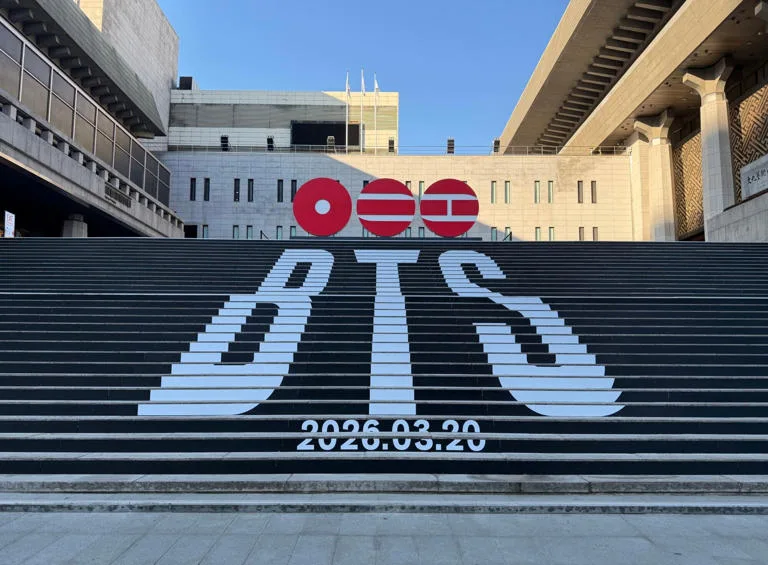
After nearly four years without a full-scale group performance, the return of BTS was always going to be historic. But few expected the level of online chaos that followed when tickets opened for their free Seoul concert on March 21.
In our view, this wasn’t just another sell-out concert. It was proof that the group’s cultural and economic power has only grown stronger during their hiatus.
BTS comeback show sells out ticket crash overwhelms booking system within minutes
The BTS comeback show sells out ticket crash began almost instantly at 8 p.m. KST when ticket reservations opened for the free concert at Gwanghwamun Square in central Seoul.
More than 100,000 users flooded the official booking site at once. Within moments:
- Screens froze
- Error messages appeared
- Sessions expired
- Fans were logged out mid-checkout
Approximately 15,000 tickets were gone almost immediately.
This wasn’t a pricing issue. The concert is free. The demand was purely emotional and symbolic. This is BTS’ first major full-group comeback performance in nearly four years, launching their new album Arirang before an 82-date global tour.
BTS comeback show sells out ticket crash pushes fans to extreme measures
As the BTS comeback show sells out ticket crash unfolded, fans turned to traditional Korean ticketing survival tactics.
Many rushed to PC cafés, known locally as “PC bangs,” which offer faster internet speeds. Families coordinated across multiple devices. Group chats exploded with countdowns and screenshots of error messages.
But despite preparation, most were met with the same message: Sold out.
Fans are reacting like this:
- “I refreshed for 20 minutes and it never loaded.”
- “We had four devices and still lost.”
- “This feels like trying to win the lottery.”
In our view, this moment revealed something deeper. The frustration wasn’t about money. It was about missing a historic comeback moment that many fans have waited years for.
BTS comeback show sells out ticket crash triggers police fraud warnings
The chaos didn’t stop with server overloads. Authorities stepped in as scam listings began circulating even before the sale officially ended.
Seoul police confirmed they requested removal of dozens of fraudulent posts offering:
- Proxy ticket purchases
- Inflated resale prices
- Fake booking confirmations
South Korea recently passed stricter anti-scalping legislation allowing fines up to 50 times the original ticket price for illegal resales.
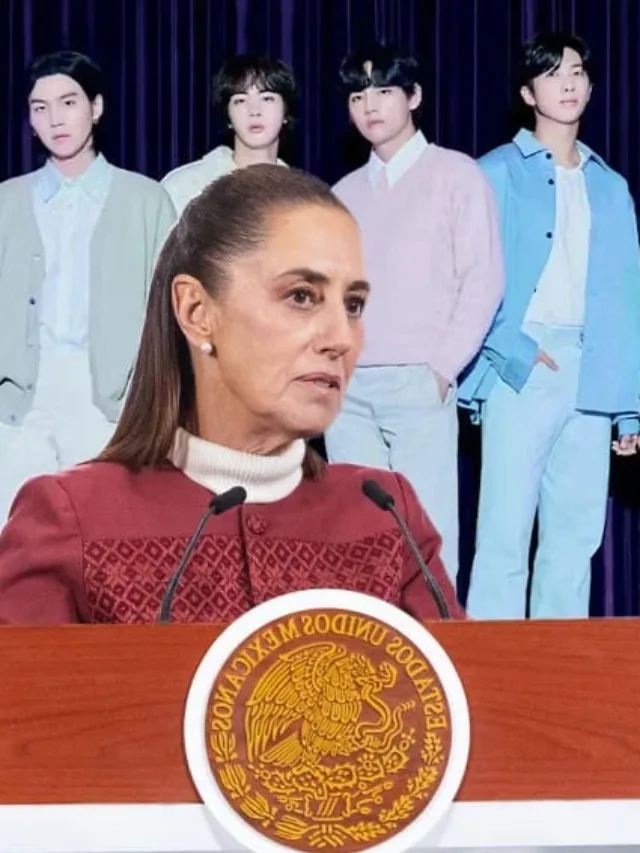
President Lee Jae Myung publicly criticized price gouging tied to BTS events, calling it market abuse that harms consumers.
This response shows how seriously the country treats events tied to BTS’ influence.
BTS comeback show sells out ticket crash highlights “BTS-nomics” impact
The economic ripple effect of the BTS comeback show sells out ticket crash is already visible.
Authorities expect around 260,000 fans to gather in Seoul for the event, even though only 15,000 secured official tickets.
Hotels in central Seoul are reportedly charging up to five times normal rates. Nearby cultural institutions, including Sejong Center for the Performing Arts, have cancelled scheduled programming. The National Museum of Korean Contemporary History will close on concert day.
Analysts often describe this phenomenon as “BTS-nomics” — the measurable economic impact generated by BTS across tourism, hospitality, and retail sectors.
And this is just for a one-hour free concert.
BTS comeback show sells out ticket crash and global livestream expansion
For fans who missed tickets, there is still access.
The concert will stream live via Netflix in 190 countries.
This hybrid model, combining physical attendance with global streaming, reinforces BTS’ unmatched digital reach.
In our view, this approach may become the new industry standard for mega-scale K-pop events.
Why the BTS comeback show sells out ticket crash matters beyond fandom
This story is bigger than a server failure.
It reflects:
- The emotional loyalty of ARMY
- The global anticipation surrounding BTS’ return
- The economic power of cultural exports
- The risks of outdated ticketing systems facing massive digital demand
User intent behind searches like “BTS comeback show sells out ticket crash” reveals that people want more than just news. They want context, reactions, livestream details, safety updates, and economic insight.
That is why coverage must go beyond repeating the headline.
Fan Reactions and Cultural Commentary
Across social media, fans described the ticketing war as “the Hunger Games of K-pop.”
Some expressed heartbreak. Others celebrated simply being part of the moment.
In our view, the crash ironically amplified the excitement. Scarcity fuels emotional value. The inability to secure tickets made the event feel even more legendary.
When something sells out in seconds, it sends a message: this is history in real time.
Final Thoughts
The BTS comeback show sells out ticket crash is not just a trending headline. It’s a reminder of the group’s unmatched influence after years away from the stage as a full unit.
In our view, this moment proves that absence did not weaken their impact. It intensified it.
Even those who missed tickets will tune in. Hotels are full. Streets will close. Businesses will surge. The world will watch.
And when the lights go up at Gwanghwamun Square, it won’t just be a concert. It will be a cultural reset.
For fans, the crash was frustrating. For the industry, it was proof. BTS is still operating on a level few artists in history ever reach.

Shahana khan is a pop culture writer and K-pop enthusiast who covers BTS, global K-pop trends, and fan culture. With a strong interest in music journalism and online media, they focus on sharing accurate updates, fan-focused insights, and original commentary for international K-pop audiences.