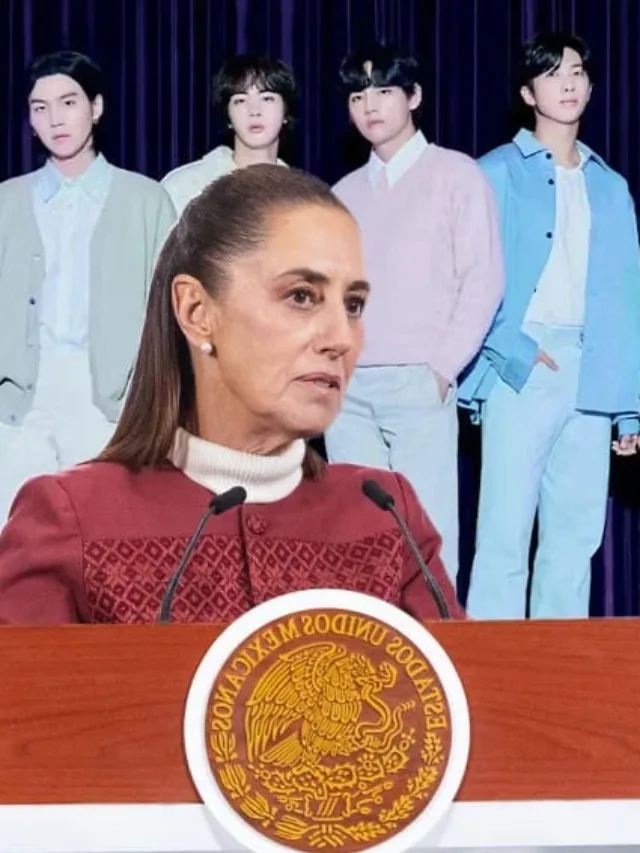







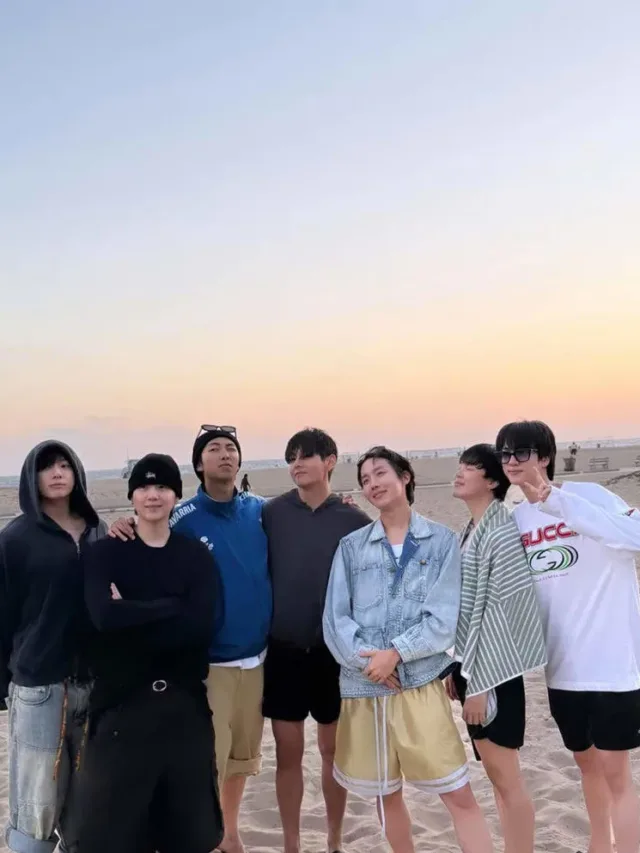
June 2025 quietly set the stage for what is now becoming one of the most talked-about moments in modern K-pop history. With BTS officially confirming their long-awaited full-group return in 2026 and BLACKPINK’s delayed album suddenly shifting into the same window, fans are no longer just excited. They are divided, emotional, and openly clashing online.
🔗 Related Articles:
BTS V Opens Up About Being a Strong Person and His Deep Bond With BTS Members
BTS Jungkook vape Moment Goes Viral as Jin Swiftly Steps In During Weverse Live
The BTS and BLACKPINK 2026 comeback controversy is not just about release dates. It touches fandom loyalty, industry timing, legacy pressure, and the unspoken competition between K-pop’s two most powerful global acts. In our view, this situation feels less like coincidence and more like a perfect storm that was bound to happen sooner or later.
As anticipation builds, so does the tension. And 2026 is already shaping up to be a year that could redefine K-pop’s global narrative.
BTS and BLACKPINK 2026 comeback controversy explained
At the heart of the BTS and BLACKPINK 2026 comeback controversy is timing. BTS, after completing mandatory military service, confirmed a Spring 2026 comeback that fans have been waiting years for. Almost immediately, reports surfaced that BLACKPINK’s long-delayed group album would also arrive in early 2026.
For many fans, this overlap felt impossible to ignore.
BTS’ return represents reunion, continuity, and emotional closure after years of separation. BLACKPINK’s comeback, meanwhile, carries the weight of expectation after repeated delays and a long focus on solo careers. When these two narratives collide, controversy becomes inevitable.
BTS comeback 2026 marks the end of an era and the start of another
BTS’ 2026 comeback is being framed as far more than a new album. It is the symbolic end of a chapter that began when Jin enlisted in late 2022 and the remaining members followed one by one.
During a December 2025 Weverse live, BTS confirmed that recording for their new album was complete. The group openly discussed plans for a Spring 2026 release, with industry insiders pointing toward March as a likely target.
BTS comeback 2026 and global tour plans
Beyond the album, BTS also teased a massive world tour running from May to December 2026. Reports suggest around 65 shows across multiple continents, potentially reaching close to four million fans worldwide.
From an industry perspective, this scale alone explains why the BTS and BLACKPINK 2026 comeback controversy feels so explosive. BTS are not returning quietly. They are returning at full force.
Fans see this comeback as historic. Many ARMYs describe it as a “once-in-a-generation reset,” where BTS reclaim their place not just in K-pop, but in global pop culture.
BLACKPINK’s delayed return fuels the controversy
BLACKPINK’s journey toward a group comeback has been far less straightforward. After stepping back from group activities, the four members focused on individual careers, eventually leaving YG Entertainment for solo work while maintaining their group identity.
The group reunited publicly during the DEADLINE World Tour in 2025 and initially announced a group album expected in mid-2025. That release never materialized.
BLACKPINK comeback 2026 and anniversary pressure
Industry reports now suggest BLACKPINK’s album has entered final production, with an early 2026 release planned to coincide with the group’s 10th anniversary.
From one angle, this makes sense. A decade milestone deserves a major moment. From another angle, fans cannot ignore how this timeline places BLACKPINK directly alongside BTS’ biggest comeback in years.
This is where the BTS and BLACKPINK 2026 comeback controversy intensifies. Some fans view the overlap as strategic. Others see it as unavoidable. Either way, emotions are running high.
ARMY vs BLINK reactions dominate social media
As soon as news of overlapping comeback windows spread, social media platforms like X filled with heated reactions. Long-standing tensions between ARMYs and BLINKs resurfaced almost instantly.
Fans react to the BTS and BLACKPINK 2026 comeback controversy
Fans are reacting like this:
- ARMYs accuse BLACKPINK’s camp of timing their release to ride BTS’ post-military hype
- BLINKs push back, arguing BLACKPINK should not delay their anniversary comeback for anyone
- Neutral fans express exhaustion over fandom wars overshadowing the music itself
Sarcasm, memes, and trolling quickly took over timelines. Quotes like “waiting to ride the K-pop wave” became viral shorthand for the controversy, even though they function more as fan commentary than factual claims.
In our view, this reaction says more about fandom culture than about either group’s intentions. When two global giants move at the same time, friction is almost guaranteed.
Industry perspective on the BTS and BLACKPINK 2026 comeback controversy
From a business standpoint, 2026 is shaping up to be a blockbuster year for K-pop. Labels, streaming platforms, and promoters all benefit from heightened attention, regardless of rivalry narratives.
Why overlapping comebacks are not unusual
K-pop history shows that major acts often return around the same time, especially during peak market cycles. What makes this case different is scale. BTS and BLACKPINK are not just top K-pop groups. They are global brands.
The BTS and BLACKPINK 2026 comeback controversy reflects how rare it is for two acts of this magnitude to move simultaneously.
Is the controversy helping or hurting K-pop?
This is where opinions split.
The upside of the controversy
- Massive global attention on K-pop
- Increased media coverage beyond fan spaces
- Renewed interest from casual listeners
The downside fans worry about
- Music overshadowed by fandom conflict
- Artists unfairly blamed for label decisions
- Toxic narratives dominating discussions
In our view, the controversy itself is not inherently harmful. What matters is whether fans allow it to drown out the music and artistry both groups are preparing to share.
BTS and BLACKPINK 2026 comeback controversy and legacy pressure
Both groups are entering 2026 with something to prove.
For BTS, it is about reaffirming unity and longevity after military service. For BLACKPINK, it is about redefining their group identity after years of solo success.
This shared pressure is what makes the BTS and BLACKPINK 2026 comeback controversy feel so intense. It is not just competition. It is legacy on the line.
What 2026 could mean for the future of K-pop
Whether intentional or unavoidable, the collision course between BTS and BLACKPINK is already reshaping fan expectations.
If both comebacks succeed, 2026 could become a landmark year that pushes K-pop further into global dominance. If fandom wars spiral out of control, it could also become a cautionary tale about excess rivalry.
In our view, the smartest move for fans is simple: focus on the music. Both groups have earned their place. Both comebacks deserve attention on their own terms.
Personal outro: A human take on the controversy
As someone who follows K-pop closely, this situation feels emotional but also predictable. When two giants move at once, noise follows. But history shows that BTS and BLACKPINK thrive not because of controversy, but because of connection with fans.
The BTS and BLACKPINK 2026 comeback controversy will eventually fade. The music will not. And that is what truly matters.

Shahana khan is a pop culture writer and K-pop enthusiast who covers BTS, global K-pop trends, and fan culture. With a strong interest in music journalism and online media, they focus on sharing accurate updates, fan-focused insights, and original commentary for international K-pop audiences.